
Where intelligence becomes action.
AP Intelligence finds what needs attention. AP Drone Hub plans the work. Increasingly autonomous aircraft execute and record it. We are building and validating this program now, with a small number of pilot partners, in real fields.
No hardware for sale and no price list. Every engagement is scoped with you in writing before work begins.
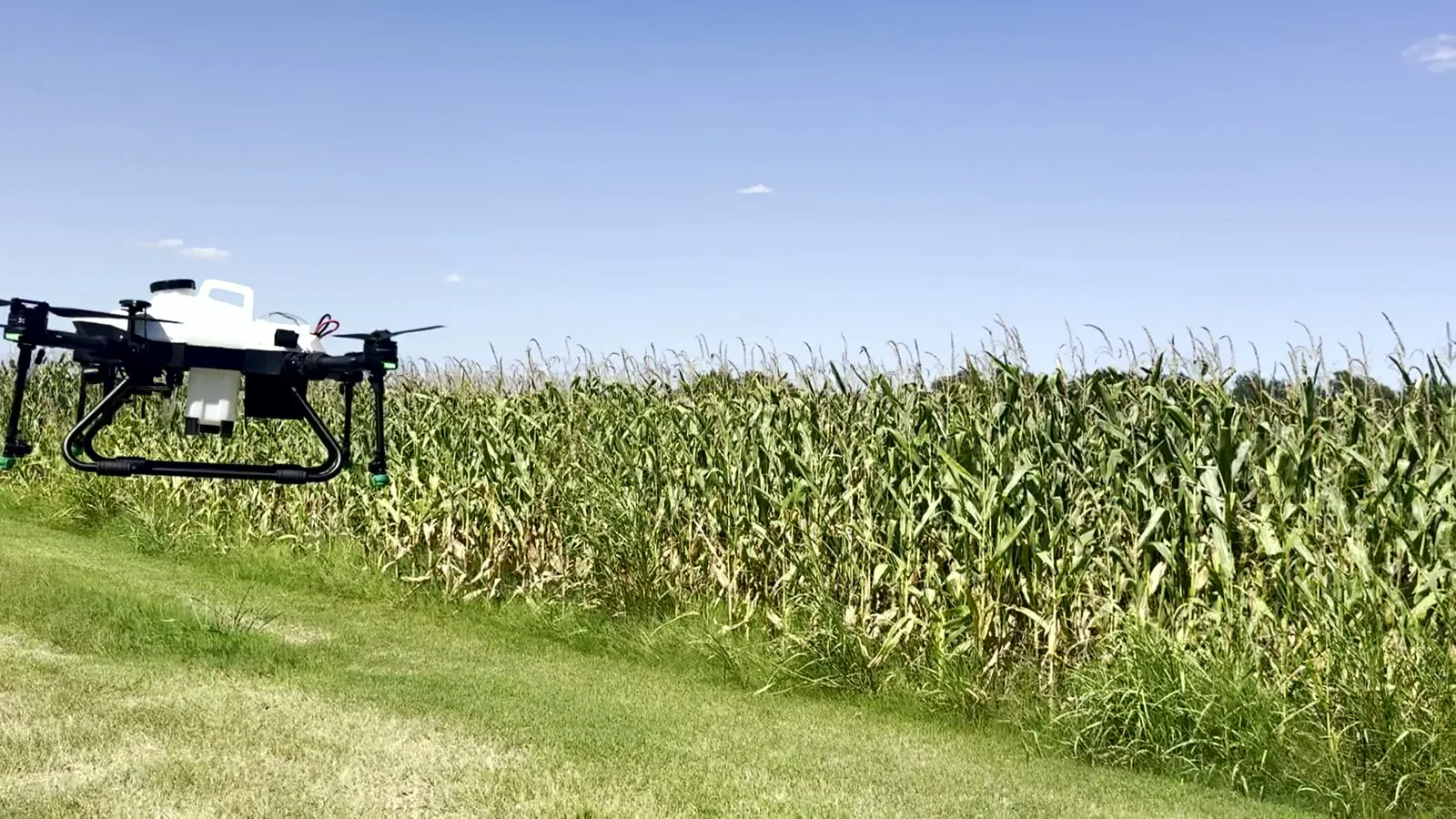
- Autonomous systems are in development and field validation.
- Pilots operate under applicable aviation regulations with licensed operators.
- The customer always controls agronomic decisions and the level of autonomy.
- Hardware is not for sale.
The program
Most drones fly a grid. These fly a reason.
One workflow from signal to completed work. Each product stands on its own today; the program is what connects them.
Satellite and weather signals identify where attention is needed, so aircraft time goes to the acres that matter.
Boundaries, obstacles, conditions, and records are organized before the aircraft leaves the trailer.
Aircraft and semi-autonomous workflows for verification and treatment of the flagged area, capturing ground truth as they work.
The connected satellite-to-drone workflow is the development goal, not a shipped integration. Today your team confirms the need and plans the mission.
Current status
What is available today, and what is not.
Available today
- AP Intelligence field monitoring and prioritization Early Access
- AP Drone Hub mission planning and operational records Early Release
- Work completed by your own team, a trusted applicator, or the equipment your operation already uses
In active development and validation
- Aircraft platforms: multirotor spray and fixed-wing agricultural aircraft, flown in real field conditions
- Semi-autonomous mission workflows and field operations
- The direct software handoff from an AP Intelligence priority into a Drone Hub mission
- Connected field-response verification after an application
Not yet available
- Autonomous or docked aircraft operating commercially
- Satellite-to-drone execution without human mission planning
- Hardware for sale
Status moves as capabilities pass validation. Nothing on this page is a delivery date.
Who should apply
Built with operations that run real programs.
We take on a small number of pilots at a time, with organizations that can put a real program, real fields, and a named owner behind the work.
- Enterprise agricultural organizations A distributed field portfolio and a program owner who can sponsor a season-long pilot.
- Service providers and applicators Operations that already fly and want the intelligence-to-execution workflow around the aircraft they run.
- Strategic partners Equipment, input, insurance, and sourcing organizations exploring integrated deployments.
A pilot engagement
What a pilot looks like.
- 01 Apply Tell us about the operation: acreage, crops, and what execution looks like today.
- 02 Scope Together we define the program: fields, missions, success measures, responsibilities, and schedule. Pilots are paid, fixed-scope engagements for one season, with success criteria set here.
- 03 Deploy Your program runs on AP Intelligence and AP Drone Hub with our team engaged throughout. Execution capabilities join the pilot as they pass validation.
- 04 Review We measure against the success criteria you set at scoping, and report what worked and what did not.
- 05 Decide Expand into a deployment partnership, adjust, or stop. The field record is yours either way.
What we ask of a pilot partner
- A named program owner and an operational point of contact.
- A real production program: at least one region, one season, and defined acreage.
- Willingness to share operational feedback and co-design the workflow.
- Acceptance that autonomous capabilities are development-stage, and join the pilot only as they pass validation.
Field validation
Real aircraft, real fields.
Validation work spans multirotor spray platforms and fixed-wing agricultural aircraft, flown in real field conditions.
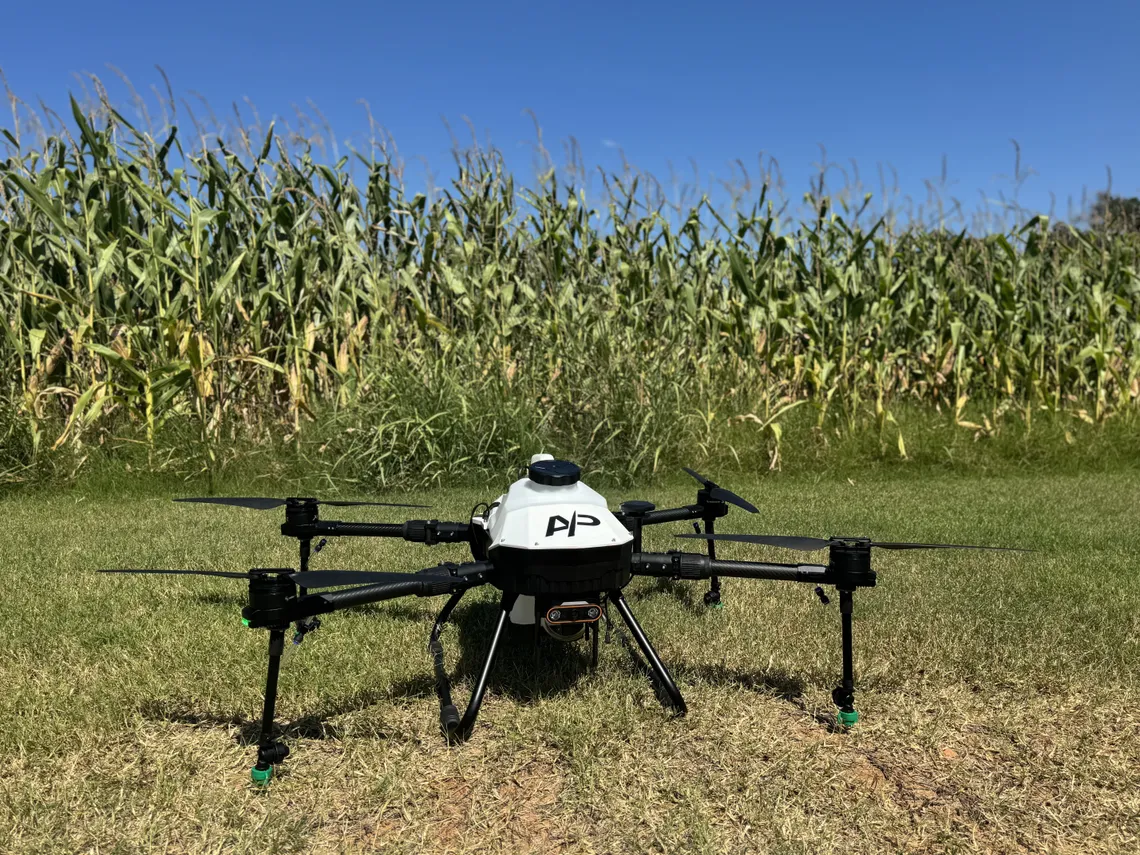
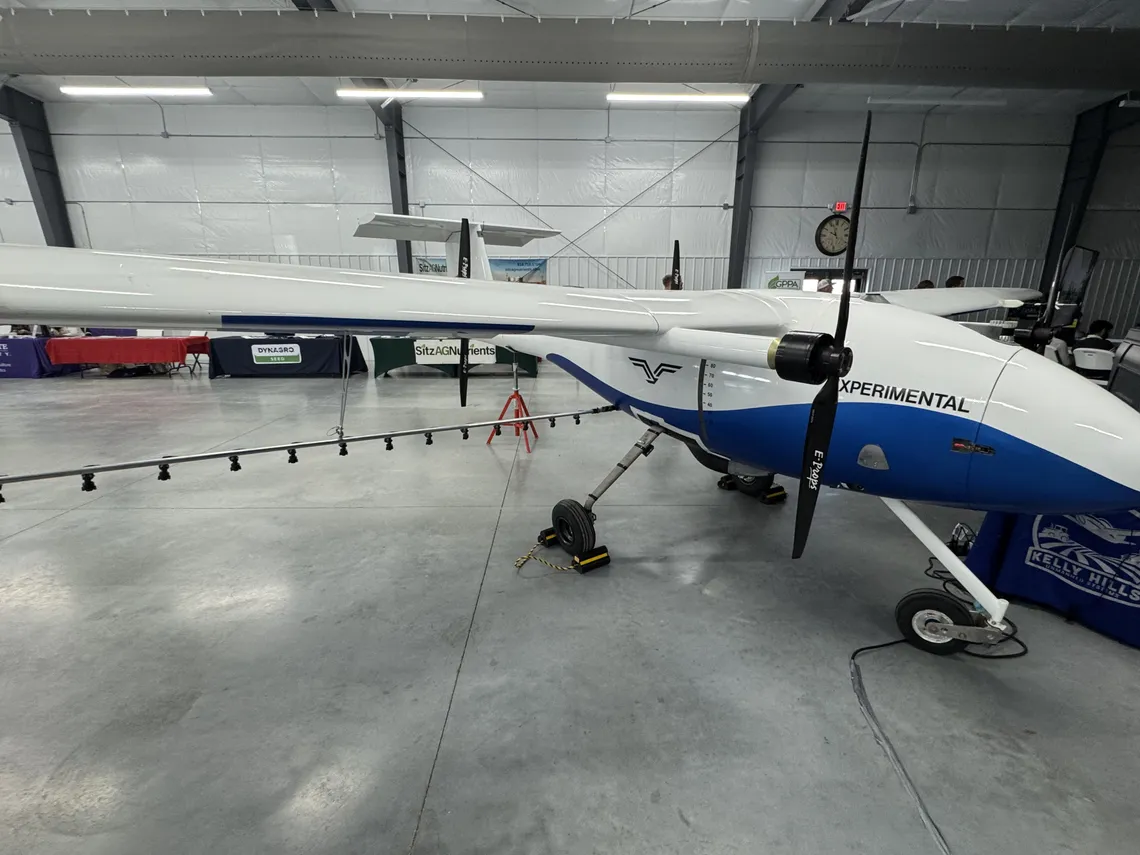
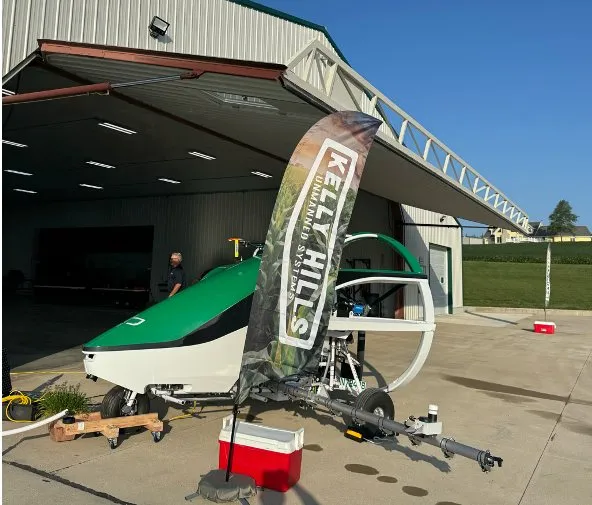
The aircraft work inside AP Autonomous draws on uncrewed-systems engineering and large-scale agricultural automation experience.
Apply for a pilot.
We would rather run a few pilots well than many poorly. Applications are reviewed by the founding team, and every engagement is scoped in writing before work begins.
Autonomous aircraft and connected execution are in development and field validation. AP Autonomous engagements are pilots and development partnerships, not a shipping product.
Looking for the products on their own?
AP Intelligence and AP Drone Hub are available today and do not require the program.
AP Intelligence AP Drone Hub